


© Ed Kashi/Corbis
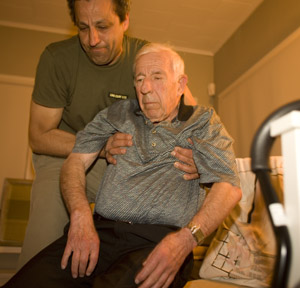
Caring for a spouse, parent or other family member who is battling severe mental or physical illness is a labor of love, but one that has its own emotional toll. Previous research has shown that untrained, primary caregivers who are looking after family face an increased possibility of several physical and psychological health issues—including an increased risk for depressive symptoms and declines in physical health, or feelings of guilt and anxiety should they give up some caregiver responsibilities. To help address these issues and alleviate some of these problems, researchers and mental health professionals have worked to devise intervention strategies to promote well being among caregivers. Yet, according to new research published last month in the journal Aging & Mental Health, some of these efforts are designed on too narrow of criteria, and fail to account for the large range of stressors, and different combinations of risk factors, that can impact caregivers overall mental and physical health. In an effort to improve caregiver support, researchers at Pennsylvania State University and The Benjamin Rose Institute in Cleveland studied 67 individuals who provide primary care for family members with dementia, analyzing the different stressors that impacted their lives and how those factors influenced not only their loved one’s care, but their own well being.
The study included individuals who served as the primary caregivers for relatives with dementia who were not residing in assisted-living facilities such as nursing homes. Researchers collected data by interviewing subjects in their homes for an average of two hours. Participants were asked about 15 different risk factors—from how much assistance they needed to provide their loved one in routine daily tasks such as bathing, dressing or grocery shopping to whether care for the family member with dementia had created broader family conflict.
Researchers found that, though all study subjects shared the common experience of caring for a relative with dementia, the way that this responsibility impacted their lives differed substantially for each person. That is, each risk factor associated with being a primary caregiver—from decreased leisure time and financial strain to anger or strife over the loss of companionship—influenced each individual differently, and in different combinations of varying severity. What’s more, how these different factors influenced a caregiver’s own mental health differed greatly among participants—while some showed increased signs of depression but didn’t experience anger, while for others the emotional fallout was the opposite.
The researchers did find that while certain risk factors increased the likelihood of some outcomes—feeling overwhelmed or suffering worsening health—the total number of stressors had a greater influence on risk for poor mental and physical health outcomes among caregivers than any individual stressor, no matter how severely participants said it impacted them.
The study authors conclude that the findings indicate the need for intervention efforts specifically tailored to individual caregivers, and the combinations of risk factors that most impact them. They write: “For example, a caregiver who has a high rate of depressive symptoms and is in poor health may need a treatment approach that emphasizes relief from caregiving responsibilities. Another caregiver who has depressive symptoms but is in good health may benefit from interventions that increase his/her activity and involvement, such as learning new skills for managing stressors.”
Yet recognizing that caregivers need intervention strategies that address their particular needs doesn’t mean that there can’t be a more systematic approach to developing these interventions, the authors argue. Developing a technique that allows mental health professionals to carefully assess the many, multi-level ways in which caregivers well being is impacted could help determine not only which individuals most need help, but also provide insight toward building “a multicomponent treatment program that can address the caregiver’s specific risks and be modified to adapt to the caregiver’s changing risk profile.” In other words, use a more systematic approach to tailor a program that grows and develops to meet a caregivers changing emotional and psychological needs—so that they can not only nurture their ailing loved ones, but themselves as well.