Pregnant? Probably everyone has an opinion about what you should and should not be doing. So it might be hard to ditch that extra cup of coffee after lunch or give up the European vacation you were so looking forward to, but studies suggest caution is in order (especially considering that the first nine months of a person’s life can shape the rest of it).
5 Pregnancy Taboos Explained (or Debunked)
JGI/Jamie Grill/Blend Images/Corbis
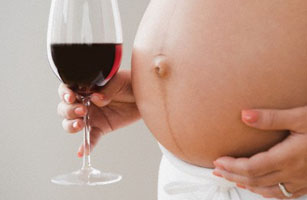
How much alcohol is safe to drink during pregnancy? The global consensus is none. The World Health Organization (WHO) and the Centers for Disease Control and Prevention (CDC) urge women who are pregnant not to drink a single drop. Since we don't need alcohol to live, why court disaster? Drinking alcohol during pregnancy increases the risk for miscarriage and premature birth, and some studies have suggested that binge drinking may be associated with an increased risk of stillbirth. Heavy drinking has also been associated with fetal alcohol syndrome, whose symptoms can include malformed facial features, low IQ, mental retardation, poor coordination, aggressive behavior and other problems. Observational studies have also linked drinking during pregnancy to a small uptick in a rare childhood leukemia, lowered sperm counts in baby boys and certain epigenetic changes in mice. And yet many women continue to drink. A recent government survey found that 1 out of 12 American women drink while pregnant, and numbers elsewhere are even more surprising: the Swedish National Institute of Public Health reports that 30% of Swedish women drink throughout pregnancy, while 60% of Russian women report drinking at least once after finding out they are pregnant. The health agencies of many European countries discourage any drinking during pregnancy, but some government health statements like those of Switzerland and the U.K. include a caveat such as "but if you are going to drink, you should limit yourself to one drink per day and not every day." While the dangers of heavy drinking and binge drinking are well-established, what about the occasional, not-every-day drink? The truth is that the bulk of the research doesn't really deal with occasional drinking — it looks mostly at heavy drinking or no alcohol at all. But, again, the World Health Organization says no to booze. It contends that even low dose alcohol exposure (1 to 4 glasses of wine per week) can lead to developmental delays in the fetus, which result in cognitive and socio-emotional deficits that become most pronounced between the ages of 3 and 5. This data is discouraging to many pregnant women, who feel that it is already difficult enough to live with all the restrictions put on them by modern medicine. In a New York Times article on the subject, Dr. Ernest L. Abel, an obstetrician-gynecologist and professor at Wayne State University Medical School in Detroit, said:
“Blood alcohol level is the key,” said Dr. Abel, whose view, after 30 years of research, is that brain damage and other alcohol-related problems most likely result from the spikes in blood alcohol concentration that come from binge drinking — another difficult definition, since according to Dr. Abel a binge can be as few as two drinks, drunk in rapid succession, or as many as 14, depending on a woman’s physiology.Next: Coffee
Because of ethical considerations, virtually no clinical trials can be performed on pregnant women.
“Part of the research problem is that we have mostly animal studies to work with,” Dr. Abel said. “And who knows what is two drinks, for a mouse?”