Pregnant? Probably everyone has an opinion about what you should and should not be doing. So it might be hard to ditch that extra cup of coffee after lunch or give up the European vacation you were so looking forward to, but studies suggest caution is in order (especially considering that the first nine months of a person’s life can shape the rest of it).
5 Pregnancy Taboos Explained (or Debunked)
Caroline Arber/moodboard/Corbis
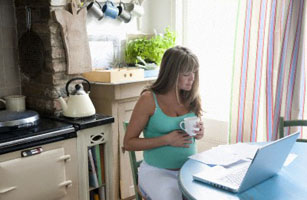
Caffeine and its most popular delivery system, coffee, have been a source of controversy within the obstetrics community for ages. We know that caffeine crosses the placenta and can increase the heart and breathing rate of the fetus. But we don't know whether that is ultimately harmful to the child's health. Similar to studies of alcohol, most research on coffee consumption in pregnancy has focused on extremes — eight cups a day or nothing. But there is one cause for concern: caffeine can reduce iron absorption in the mother, which could theoretically lead to anemia. Since pregnant women are prone to anemia to begin with, this could lead to ill effects, such as dizziness, fatigue or even irregular heart beat. One important 2008 study in American Journal of Obstetrics and Gynecology found that consuming more than 200 mg of caffeine (about 10 ounces of coffee) per day doubled the risk of miscarriage in women with an average of 71 days of gestation compared with those who abstained from caffeine. Another retrospective study involving women who were pregnant during the 1960s found that increased caffeine consumption was related to cryptorchidism (undescended testes) in baby boys, even when other factors like drinking, smoking and chemical exposure were accounted for. Given the lack of replicated studies, however, most experts and the March of Dimes recommend moderation rather than abstinence. Next: Hot Baths