Canada Declares BPA Toxic. Is the U.S. Next?

Photo by David McNew/Getty Images

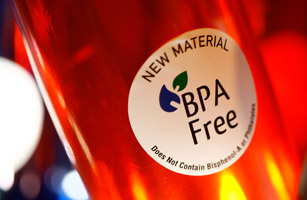
Yesterday Canada—with very little fanfare—declared the endocrine-disrupting chemical bisphenol-A (BPA) a toxic substance, both to the environment and to public health. (BPA is widely used in plastic bottles and in the epoxy liner of food containers.) The listing doesn’t mean that all BPA will need to be banned immediately—Canadian officials said that the declaration would be the first in a multi-step process to better regulate BPA. By listing the chemical as toxic, it’s easier for officials to ban the use of BPA in specific products through regulations, rather than amending laws or writing new legislation. Canada has already banned BPA in baby bottles, and this new listing will likely bring an end to food-related uses for BPA, in bottles and possibly cans as well. Over at Ecocentric, I have a post detailing the Canadian decision, and explaining the impact it may have—or not—on U.S. regulation of BPA and other potentially toxic chemicals. Check it out here.

More on Time.com:

SPECIAL: Environmental Toxins — The Perils of Plastic

Cell Phones and Cancer: A Scientist’s Persuasive New Book

Related Topics: BPA, Canada, chemicals, environmental health, FDA, regulation, toxins, Environmental Health, Medicine
  • Latest on Healthland

    The Case of Cameron Douglas: Prison Is Not Rehab, Say Addiction Experts

    An unusually harsh prison sentence handed down to the drug-addicted son of actor Michael Douglas has prompted addiction experts to indict the courts for ignoring the treatment needs of inmates.

    Baby's Poor Head And Neck Control May Be An Autism ClueCNN Health

    Steve Gschmeissner / SPL / Getty Images

    Study: Alternative to Colonoscopy Also Cuts Cancer and Death

    A simple, cheaper exam of just the lower part of the bowel can cut the risk of developing colon cancer or dying of the disease, a large federal study finds.

blog comments powered by Disqus