



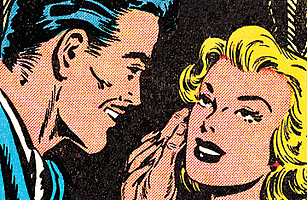
When is rape considered legitimate? When it’s a literary gambit in the pages of romantic fiction, a best-selling genre that often misleads women by portraying idealized love and sometimes dangerous sex, according to a recent article in the Journal of Family Planning and Reproductive Health Care.
“I would argue that a huge number of the issues we see in our clinics and therapy rooms are influenced by romantic fiction,” writes Susan Quilliam, a popular British “agony aunt,” the U.K. version of a Dear Abby columnist and a regular contributor to the journal.
It’s surprising that romantic fiction still resonates so deeply in cultures where women’s rights are championed, notes Quilliam, but in some developed nations, romantic novels comprise nearly half of all fiction sold. Romantic fiction accounts for more than $1 billion annually in U.S. sales; Quilliam says Harlequin — the brand name synonymous with romance novels — reportedly sells more than four books each second.
In the course of writing her opinion piece, Quilliam, a sexual-health educator, analyzed previous research on romantic novels and scrutinized a few herself. “I realized they are not helpful,” she says. “Often the woman is seen as the weaker subject who does all the giving and bows to what the man says.” Sometimes a character is almost raped and thinks it’s wonderful that a man will “ ‘take’ her,” Quilliam adds.
(MORE: The Science of Smooching: Why Men and Women Kiss Differently)
These books may be far from a throwaway beach read. Quilliam makes the case that literary descriptions of nonconsensual sex and hapless women who are sexually unsatisfied until a man “awakens” them are demeaning.
From a practical perspective, romantic fiction has an unhealthy tendency to gloss over contraception. Burly men on horseback rarely use condoms in this sort of literature, and that sends an unsafe message. Romance readers who took part in a recent survey responded negatively to condom use, Quilliam says; it’s hardly a coincidence that just 1 in 10 romantic-fiction titles in the survey even mentioned condom use.
But promoting unhealthy sex isn’t the only knock against the genre. Anyone who’s ever flipped through the pages of a romantic-fiction novel, its cover adorned with a man’s thickly muscled torso holding up a hapless-looking flaxen-haired beauty, knows that the genre isn’t always dedicated to presenting life as we know it.
Multiple orgasms and effortless pregnancies are not necessarily the stuff of reality, and portraying them as such does women a disservice. “I’m not arguing that all romantic fiction is misguided, wrong or evil — to do so would be to negate my teenage self as well as the many millions of readers who innocently enjoy romances,” Quilliam writes.
(MORE: Survey Shows Men Need to Cuddle, Women Value Sex)
And to be fair, her research turned up at least one positive aspect of romance novels: many women say reading the books encourages them to be more sexually adventurous with their partner.
That said, writes Quilliam, who fields more than 25,000 letters a year requesting relationship advice, “sometimes the kindest and wisest thing we can do for our clients is to encourage them to put down the books — and pick up reality.”