


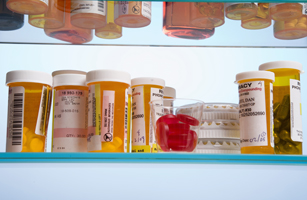
Each year, one in 150 2-year-olds is rushed to the emergency room because of an unintentional overdose, a rate that’s increased 20% from just a few years ago, according to the Centers for Disease Control and Prevention. Most often, kids eat or drink medications when adults aren’t around.
“Parents may not be aware of the danger posed by leaving medications where young children can reach them,” said Dr. Dan Budnitz, director of the CDC’s Medication Safety Program, in a statement.
That’s why the CDC, working with partners like the Consumer Healthcare Products Association Education Foundation, has launched an initiative to help parents keep potentially harmful medications away from kids. Among the the suggestions included in “Up and Away and Out of Sight”:
- Store medicine in a place that children cannot reach or see.
- Consider all supplements and medicines a potential hazard. Even vitamins and over-the-counter pills have the potential to cause fatal or irreparable harm.
- Be vigilant about the safety cap. Make sure that it ‘clicks’ shut every time.
- Teach children that medicine is dangerous. And never equate medication with candy in an effort to get kids to take their doses — it’s bound to confuse them.
- Remind guests to be safe about medicine too. Visitors might not be used to keeping small children in mind, so make sure you let them know that they shouldn’t keep medication in purses, bags or coats.
For more information on the Up and Away educational program visit its dedicated website or join the CDC-hosted live Twitter chat with medication safety experts on Wednesday, Dec. 14, from 1 to 2 p.m. Eastern time. Follow the hashtag #MedsUpAway.
Meredith Melnick is a reporter at TIME. Find her on Twitter at @MeredithCM. You can also continue the discussion on TIME’s Facebook page and on Twitter at @TIME.