


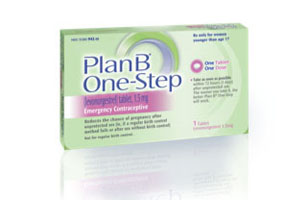
Chips, soda, candy bars and … contraceptives? A Pennsylvania university has a vending machine that sells Plan B One-Step emergency contraception — also known as the morning-after pill — and other sexual-health items like condoms and pregnancy tests.
Vice President for Student Affairs Roger Serr told the AP that Shippensburg University installed the vending machine in its health center after a survey found that 85% of its students were in favor of it.
Students can purchase Plan B from the machine for $25, the school’s cost to the pharmaceutical company, which is cheaper than at off-campus pharmacies. The university does not cover or subsidize the drug.
MORE: U.S. Rejects FDA Advice to Sell Plan B One-Step Over the Counter
Plan B One-Step, which contains a high dose of the progestin levonorgestrel, a hormone also found in birth control pills, is meant to be used within 72 hours after unprotected sex to prevent pregnancy. The emergency contraceptive can legally be purchased without a prescription by anyone 17 or older.
Serr told a local CBS station that the university’s female population purchases between 350 to 400 doses of the pill each year.
“The machine is really used as much for privacy as anything else, if a person wants to come in,” Serr told CBS.