
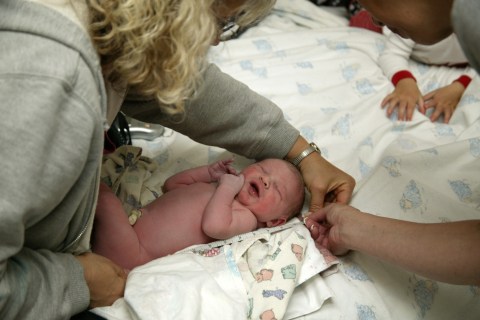
Don’t Dump Your Midwife
For mothers opting for a natural birth, the comforts of home can be deadly
For mothers opting for a natural birth, the comforts of home can be deadly

The growth of animal-assisted therapy means that man’s best friend may soon be man’s best medicine
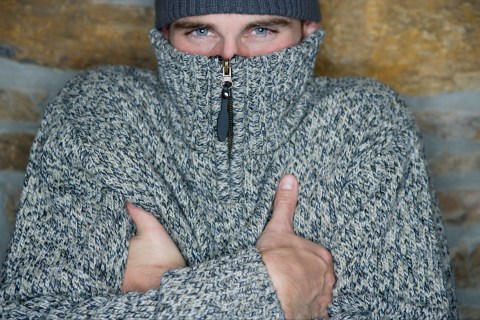
Being really cold may actually help you burn fat
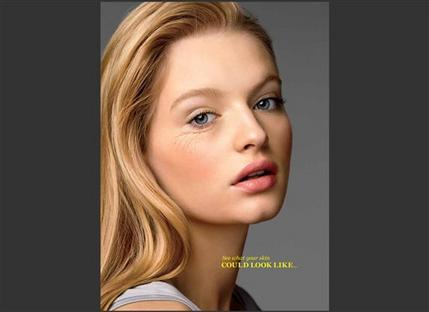
The agency’s ads will feature rotting teeth and premature wrinkles

A new study links likelihood of the brain disease to a combination of chemicals and genetics
That’s the residue from cigarette smoke that lands on and sticks to surfaces

Fans of losing teams: science isn’t on your side
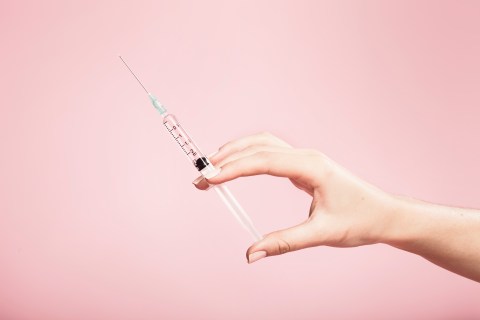
The vaccine, which protects against cervical cancer and sexually transmitted infections, does not do much to change pre-teens’ views or behaviors surrounding sex
Studies have suggested the painkilling drugs could endanger pregnancies, but the latest research is more reassuring
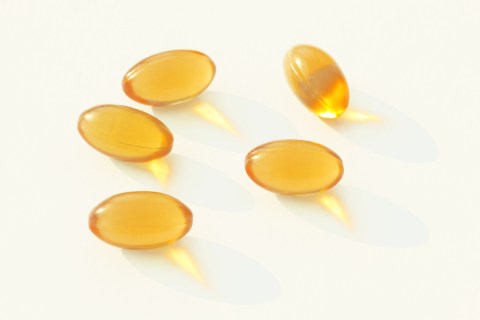
Many fitness fanatics turn to supplements to help them train and stay in shape, but not all of the vitamins and minerals deliver on those benefits
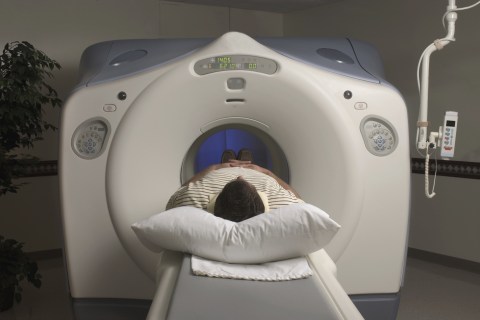
Up from 14 million a year in 2012
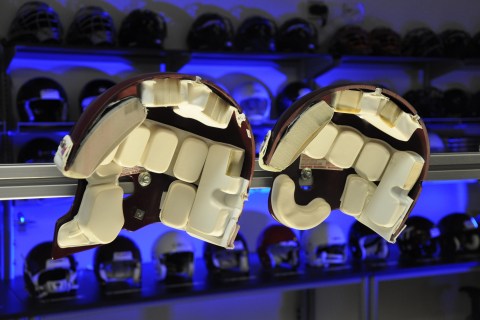
A new study shows that one helmet may protect against concussions better than others

More research shows that the Big Game is big deal for many — for better or worse.