Worldwide surveys have consistently ranked the Scandinavian countries — with their generous family-leave policies, low crime, free health care, rich economies and, yes, high income taxes — as the happiest places on earth. But …
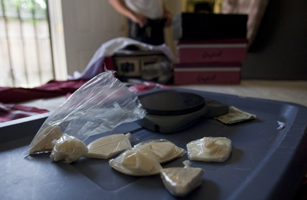
As the Obama administration and the media increasingly promote the idea that prescription drug misuse is this generation’s crack epidemic, I want to take a few minutes to note how irresponsible and off-base this idea is.
Americans have tremendous fear of aging — and a great deal of prejudice against the elderly. But, as the joke has it, being old is better than the alternative. And, despite our fears, new research suggests that being old is …
As stoners toke today, April 20 — on what has become an unofficial holiday celebrating all things marijuana-related — there’s good news and bad for those who smoke weed.
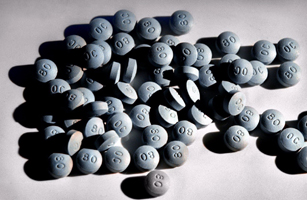
The Obama administration announced on Tuesday a new initiative to reduce prescription painkiller misuse and overdose, a problem that has become the leading cause of accidental death in 17 states, surpassing car accidents — and …
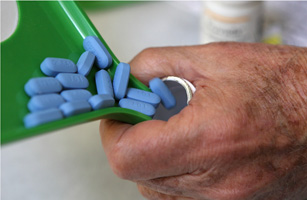
The contents of America’s medicine cabinets — as captured by IMS Health‘s new report on U.S. prescription drug use — offer an interesting snapshot of our national health. A look at the top 10 most popularly prescribed drugs, …
Dogs may really be man‘s best friend — at least if that can be measured by how often dogs approach their male owners, compared with their female owners. The closest relationships appear to be between neurotic men and their …
America is having an addiction moment. Media headlines scream daily about new neuroscience findings on porn addiction, Internet addiction, food addiction and plain, old-fashioned drug addiction.
In the late 1980s and early ’90s, it was almost impossible to avoid hearing about the plight of “crack babies” — infants born to mothers who had used crack cocaine during pregnancy. These offspring were predicted to become a …
Virtually every day, a new study comes out suggesting that feeling close to others and having strong relationships boost health, happiness and longevity. From brain studies on the stress-relieving powers of the “love hormone” …
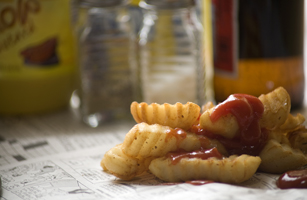
Ever wonder why French fries, potato chips and Cheetos are so appealing when you’re feeling stressed? A new study suggests that elevated levels of salt in the body lower stress hormones and raise levels of oxytocin, a hormone …
Paranoia is one of the most unpleasant “side effects” of marijuana. It’s also a key experience shared by marijuana smokers and people with schizophrenia. But exactly how does smoking a joint cause the feeling that dark forces are …
For the last 40 years, teens with drug problems, learning disabilities and other behavioral issues have been sent to residential facilities to endure “tough love” techniques that are widely known to include methods of outright …