
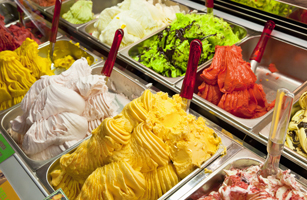
Heroin vs. Häagen-Dazs: What Food Addiction Looks Like in the Brain
Is Häagen-Dazs ice cream as addictive as heroin? Or, put another way, is heroin as addictive as Häagen-Dazs?
Is Häagen-Dazs ice cream as addictive as heroin? Or, put another way, is heroin as addictive as Häagen-Dazs?
(Updated) U.S. drug courts, which divert non-violent drug cases and assign offenders to treatment and supervision rather than jail, are championed by the left, right and center. The left likes them because they favor treatment …
The saga of the prematurity-prevention drug Makena and the outrage over its pricing continues: on Friday, the maker of the drug, a subsidiary of KV Pharmaceutical, announced it would reduce its price 55%, from $1,500 to $690 per dose.
In a field in which the meetings and prayers of 12-step treatment are among the most accepted ways to help people with drug addiction, consumers have little way of knowing which rehabs are genuinely evidence-based and which …
Advice around breast-feeding can drive new mothers mad, but a new study suggests that the long pregnancies and lactation periods of our prehistoric mamas are responsible for the relatively big brains that differentiate humans …
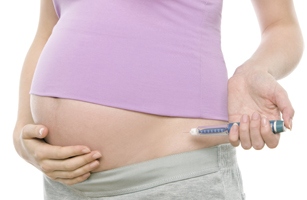
Following the uproar over the pricing of a drug to prevent premature birth — which went from about $10 per dose to $1,500 after the FDA approved a branded product to replace an older, unapproved version — the agency said …

Want to persuade people to give more? Then get them “high” first — physically that is. New research published in the Journal of Experimental Social Psychology shows that people act twice as nice when they have just ridden up …
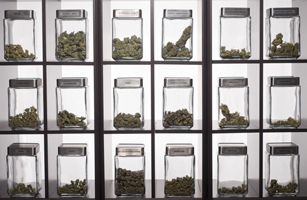
Medical marijuana is becoming big business — racking up sales totals that rival those for Viagra, according to a new report.
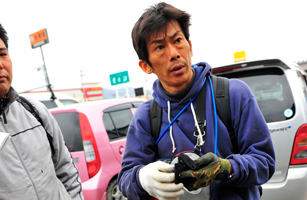
In case you still had doubts about the way natural disasters can bring out the best in people, consider the heroic actions of Hideaki Akaiwa.
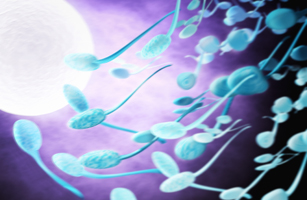
Consider the challenge faced by a human sperm cell. The tiniest cell in the human body, it must navigate the equivalent of dozens of miles through an obstacle-strewn maze to find the egg.
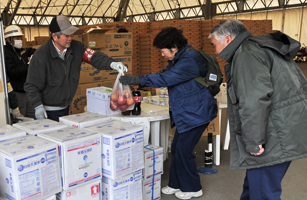
In her 2009 book, A Paradise Built in Hell, author Rebecca Solnit describes how in the aftermath of natural and man-made disasters — such as the one unfolding in Japan — human beings tend to respond by banding together, not …

KV Pharmaceutical’s Makena, a new brand of an old drug to prevent premature birth, went on sale last week at an exponentially increased price — going from about $10-$20 per dose to $1,500, and inviting widespread criticism and scrutiny.