
Further to the news this morning about boomers not using condoms enough comes what could be Exhibit A in the case for giving the more mature, at least in years, some sex education.
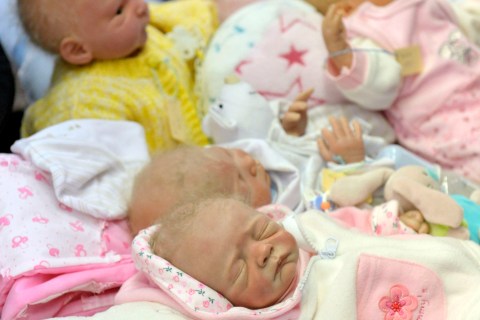
Further to the news this morning about boomers not using condoms enough comes what could be Exhibit A in the case for giving the more mature, at least in years, some sex education.

In China, overpopulation has led to a one-child rule for many couples. Its neighbor, Taiwan, has the opposite problem: Its birthrate dropped to a record low last year. With less than 20,000 babies born, moms and dads will soon …

Losing your job when the economy takes a dip can have some damaging effects on your health; the stress, anxiety and depression among the unemployed has been linked to heart disease and an increased risk of suicide. But according …
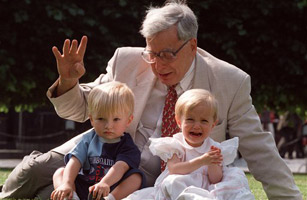
Thirty two years after the first test tube baby was born, the biologist who was the first to successfully mix egg and sperm in a lab dish and generate a healthy human baby was awarded the Nobel Prize in Physiology and Medicine.

As far as sexual behavior goes, we may be worrying about the wrong people. The kids, it turns out, may be all right.

Most parents-in-waiting like to daydream that their unborn child might develop a cure for cancer or improve upon the theory of relativity — in short, save the world. Now, new research indicates that your best shot of …

When a Rutgers University freshman allegedly streamed video on the Internet of his roommate’s homosexual encounter in their dorm room, leading the roommate to leap to his death from the George Washington Bridge, it highlighted …
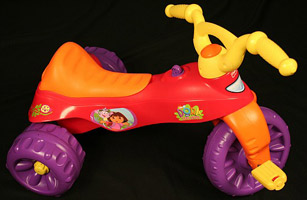
The timing couldn’t be worse. Just as parents, grandparents — and, most of all, manufacturers — are gearing up for the annual holiday toy-buying extravaganza, Fisher-Price has recalled more than 10 million tricycles, toys …

Ever go to your guy for support only to get off-the-mark advice? New research suggests that physical differences in the brain’s response to stress may be to blame. When stressed, men show less activity in brain regions needed to …

Pregnant? Probably everyone has an opinion about what you should and should not be doing. So it might be hard to ditch that extra cup of coffee after lunch or give up the European vacation you were so looking forward to, but …
You know those sleep positioners that are so great at keeping baby right where she’s supposed to be? Stop using them.

Newlywed? Congratulations! Hope the wedding was grand. And now…let the fighting begin.
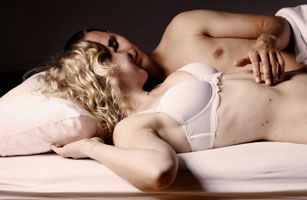
Ladies, hit the gym (and hold the makeup). Unless you’re gunning for a long-term relationship, it’s your hot bod — and not your winsome face — that guys are after.