
What if new tests for Down syndrome could one day mean no more affected babies are born? Is that cause to celebrate medical advances or reason to worry we are callously weeding out the less-than-perfect in our midst?
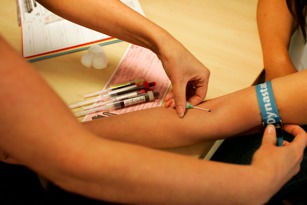
What if new tests for Down syndrome could one day mean no more affected babies are born? Is that cause to celebrate medical advances or reason to worry we are callously weeding out the less-than-perfect in our midst?

For nine months of pregnancy, babies-to-be are cushioned in watery darkness. Once they’re sprung, few parents are eager for them to bang their noggins on hard crib rails, hence the indispensable crib bumper.
The placenta is not a showy organ. It does yeoman’s work sustaining baby throughout pregnancy, then, shortly after the moment that should be its, ahem, crowning glory, it’s unceremoniously tossed into the medical waste bin.

“Mama,” my young son informed me yesterday, “I know how you can sneak an explosive onto an airplane.”
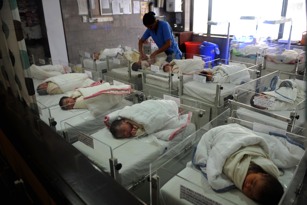
Media reports of women killing their newborn babies always rocket to the top of websites’ most-read lists. The prospect of moms killing newborns is so grotesque it’s as if everyone is wondering the same thing: who are these …
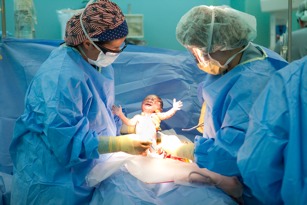
Get that scalpel ready: Nearly one of every three births in 2008 — 32% — was a C-section, according to an annual report that tallies trends in births and deaths. Black mothers were most likely to deliver their babies that way.

We are a world powered and consumed by technology. What that means is that plenty of people who don’t know us very well are now privy to lots of intimate details about our personal lives that used to be kept private. Entire …

Laughter may be the best medicine, and it’s also a great way to take your mind off pain, as evidenced by a little episode that played out Friday at a New Jersey shopping mall.

Breast-feeding is urged on moms from all sides, from doctors to friends, but there are some women who can’t breast-feed for medical reasons. Some medications are incompatible with breast-feeding, too. Consider women with …

Betty Drapers of the world, listen up.

It’s America’s fixation with happily ever after that’s partially responsible for the uneasy silence with which we approach miscarriage.

Many women — and doctors too — believe that women with anorexia stop menstruating. First of all, that’s not true. And secondly, here’s a quick fertility refresher: just because a woman doesn’t get her period doesn’t …

There are plenty of medications pregnant women are advised to avoid, but over-the-counter pain relievers like Tylenol and Advil are not among them.