
Changes in the way that autism is defined may mean fewer cases, and could leave many families without needed services
Changes in the way that autism is defined may mean fewer cases, and could leave many families without needed services

With no approved medications to treat autism, more parents are turning to alternative therapies to help their kids.
Up to 50% of children with a genetic disorder unrelated to autism are mistakenly diagnosed with the developmental disorder, and that can lead to inappropriate treatments that can worsen their condition.
The latest findings hint at why autistic children are more interested in objects and ideas than they are in other people.
More research finds a family-based risk of autism among siblings, which raises the question of what parents can do to lower the risk among potentially at-risk youngsters.
Researchers from Aarhus University in Denmark report in …

Artificially stimulating labor is associated with a slightly higher risk of autism, but researchers caution that the link may be complicated.
By taking advantage of disrupted motor connections in the brains of autistic children, researchers say it may be possible for affected kids to guide their own therapy.
It’s the first test to diagnose the behavioral disorder using brain wave patterns, but it won’t be the last. The idea of reading the brain’s activity for clues to mental illness is gaining ground.
A test for six antibodies in an expectant mom’s blood may predict with more than 99% certainty which children are at highest risk of developing autism.
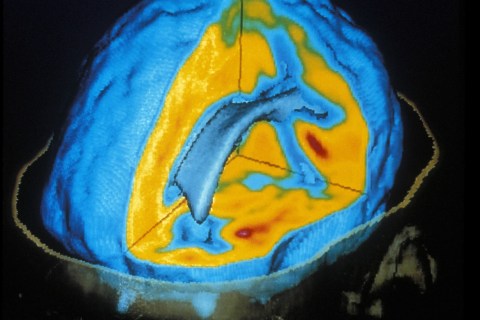
If EKGs can detect potential problems in heart function, then doctors are asking why brain scans can’t be used in the same way, to identify disorders like depression, autism or schizophrenia.
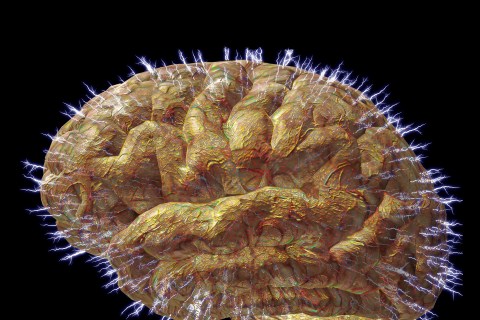
Genetic changes are almost certainly behind many cases of autism, and the latest research suggests that some of those alterations may be contributing to more densely connected networks of brain nerves.
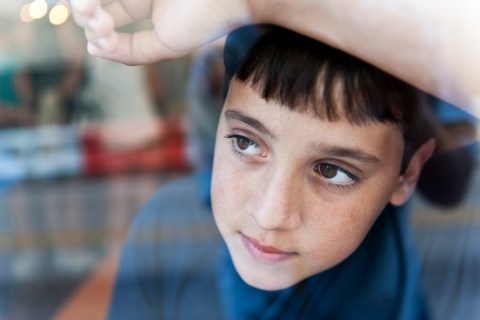
Pollutants in the air are known to affect brain development, but the first national study of in utero exposure and autism rates raises new concerns.
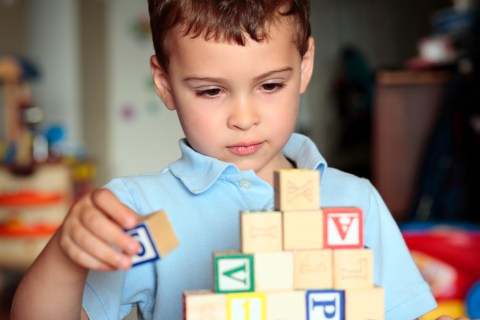
Language can prove a bugaboo for children with autism. Now new research finds that it’s possible to use toddlers’ brain responses to words to predict their linguistic and cognitive skills down the road.
Researchers from the …