
Researchers have long hoped to corral the immune system in the war on cancer. Now, antibody-based compounds show new promise.
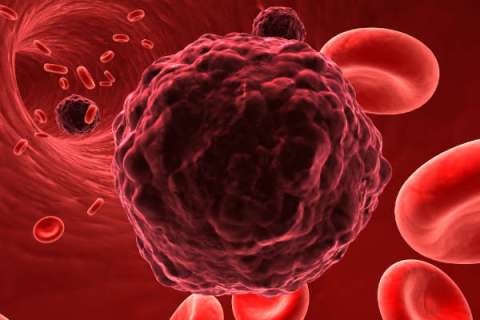
Researchers have long hoped to corral the immune system in the war on cancer. Now, antibody-based compounds show new promise.
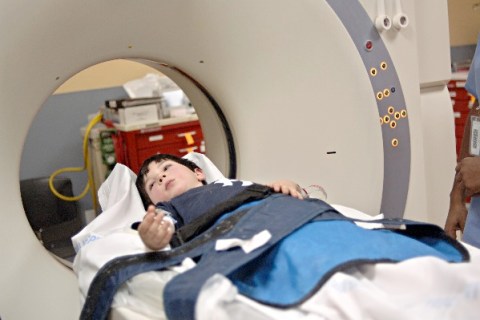
Children who underwent multiple CT scans had three times the risk of brain cancer and leukemia later on. Overall, however, researchers say the risk of cancer is still small, while getting a necessary scan can potentially save a …

A new study suggests that we can scale up production of poppy plants that produce a potent anti-cancer agent.

Could the answer to cancer lie within our own DNA?

Shift work may be unavoidable, but a new study suggests that it could wreak havoc with hormones that increase women’s risk of cancer.
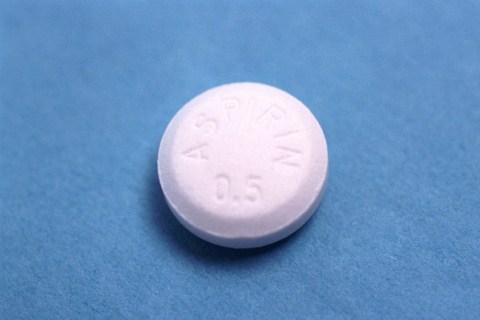
An aspirin a day could keep skin cancer away, according to a new report in the journal Cancer.
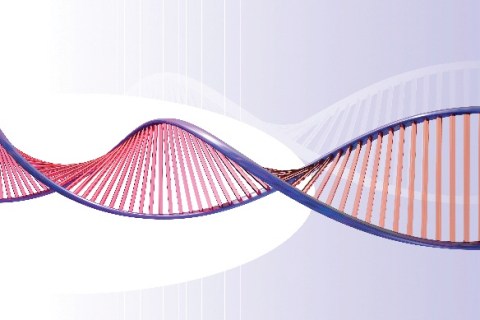
Your DNA may hold valuable information about your health, but current genetic tests can’t improve doctors’ ability to predict your risk of major disease.
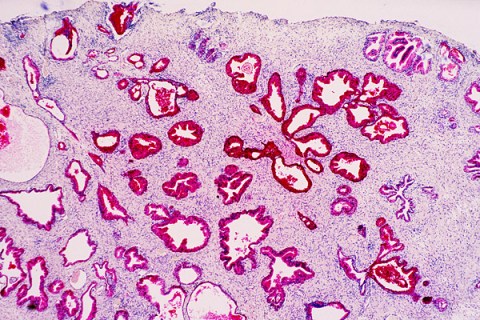
A government panel finds there is little evidence that a common prostate-cancer screening saves men’s lives and instead raises the risk of unnecessary harm
The original American Idol was so starstruck by a video of children with cancer lip-synching to her song, “Stronger,” that she intends to swing by Seattle Children’s Hospital to meet them in person.
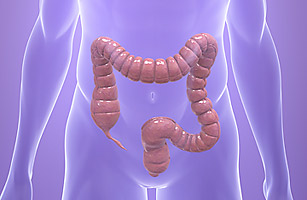
New software can digitally “cleanse” a colon, eliminating the muss and fuss of a standard colonoscopy. Ready to book your appointment?
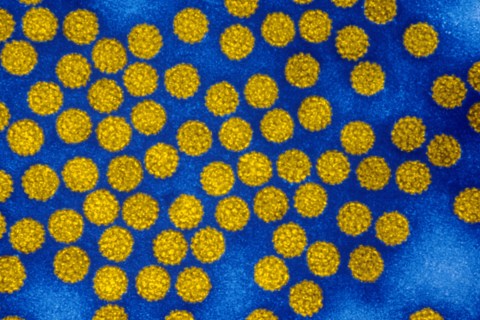
A new study finds that 2 million new cancers in 2008 were caused by preventabe or treatable infections like HPV and hepatits B.

Early detection of prostate cancer can mean survival rates of close to 100%.