
The fight against obesity has engaged many fields of medicine: genetics to predict it; nutrition to prevent it; surgery to manage it; and endocrinology to deal with one of its biggest side effects, diabetes.
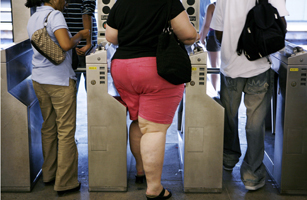
The fight against obesity has engaged many fields of medicine: genetics to predict it; nutrition to prevent it; surgery to manage it; and endocrinology to deal with one of its biggest side effects, diabetes.
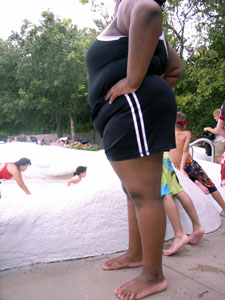
FDA Takes On Green Tea: Dr Pepper Snapple Group’s Canada Dry and Unilever’s Lipton are in hot water for overextended health claims on labels and promotional websites for their green tea products, reports the Los Angeles Times.
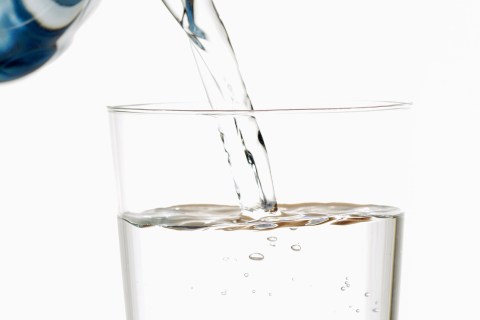
It’s safe, it’s simple, and it works: Drinking moderate amounts of water really can help you lose weight, new research shows.
Carrying fat around your abdomen is bad for you no matter how much you weigh, according to a new study published today in the Archives of Internal Medicine.
The issue of whether parents whose children are obese should be charged with neglect has fueled debate and generated controversial court cases, but, according to an article published this week in BMJ, so far there is little research analyzing negligence and obesity — and particularly whether obese children who are put into foster care
…
A potential new obesity drug appears effective at helping patients lose weight, according to a report released today by the U.S. Food and Drug Administration, but concerns remain about side effects — which could include depression, anxiety, impact on heart rate and risks for pregnant women. The document was released in advance of a
…
New research highlighted by the BBC and published in the Archives of Disease in Childhood suggests that the common understanding of the relationship between physical activity and childhood obesity may possibly present things in the wrong order. That is, while it’s a widely held belief — and premise of the First Lady’s Let’s Move
…
As helpful as the body mass index is for telling you if you’re overweight or obese, doctors agree that it’s not perfect. Because it measures height and weight, researchers have noted that doesn’t take into account muscle, which can push the BMI of a fit but built individual into the above normal range.
In January of this year, public health officials applauded the fact that, after steadily rising for more than three decades, obesity levels in the U.S. finally appeared to be leveling off. And while holding steady with a third of the adult population obese and more than two thirds overweight hardly had health professionals jumping for
…
A small proportion of obese people may not face a higher risk for diabetes and heart disease often associated with obesity, according to new research presented this past weekend at a meeting of the Endocrine Society in San Diego. In a long-term study that included more than 1,300 obese patients between the ages of 28 to 75, researchers
…
Though they tend to have sex less frequently than their slimmer peers, obese women may be four times more likely to have an unwanted pregnancy, according to findings published in BMJ this week. In a study of more than 12,000 French men and women between the ages of 18 to 69, researchers found that obese women were less likely than
…
New research published in the American Journal of Epidemiology and highlighted by Reuters suggests that the increasing prevalence of moms holding down full-time jobs may be a contributing factor in the childhood obesity epidemic. In an effort to determine what factors may be driving childhood obesity, researchers from University College
…
The World Cancer Research Fund, an international non-profit that works with cancer research organizations and charities, has spoken out against FIFA’s sponsor choices for the upcoming World Cup in South Africa, according to the BBC. The group characterized the international soccer authority’s partnerships with Coca-Cola, McDonald’s
…