
With flu season right around the corner, your mother, doctor and HR manager will no doubt be reminding you of the usual preventive measures: Get a flu shot. Cover your nose and mouth when you cough or sneeze. Wash your hands with …

With flu season right around the corner, your mother, doctor and HR manager will no doubt be reminding you of the usual preventive measures: Get a flu shot. Cover your nose and mouth when you cough or sneeze. Wash your hands with …
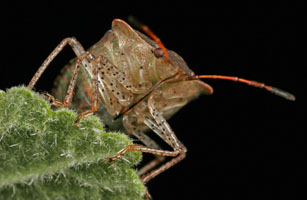
Bedbugs are so five minutes ago. There’s a new intruder infesting the Middle Atlantic states: the stinkbug.

Here’s a tip: If you ever use a public restroom at New York’s Penn Station, consider buying a hazmat suit first and decontaminating before you rejoin the world. Many commuters passing through the station — and the bathroom — …
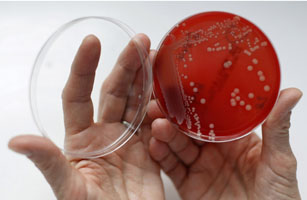
“Superbug” sounds fun and cartoonlike, but this is serious, folks. A gene that can make many types of bacteria resistant to nearly all antibiotics doctors have at their disposal is on the loose in three states.

Chemicals in nonstick cookware and waterproof fabrics could be raising cholesterol levels in children and teens, according to a new study appearing in the Sept. issue of the Archives of Pediatrics & Adolescent Medicine. The study …
Custom Running Shoes Don’t Lower Injury Risk: Sporting goods stores that evaluate foot shape to help customers buy running shoes may have it wrong. A study of Marine recruits who had running shoes customized to their arch heights showed that nice shoes didn’t lower the instance of injury during basic training.
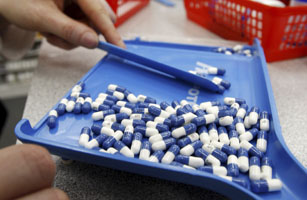
RxAmerica: Nearly half of all Americans have taken a prescription drug in the last month, according to the Centers for Disease Control and Prevention’s National Center of Health Statistics. So what are we on?
America’s birth rate was lower in 2009 than at any other time in the past century, the AP reports — and many experts feel that the economic downturn is to blame.
In 2009, the total number of births across the country fell for the second year in a row — from 4,247,000 in 2008 to 4,136,000, according to provisional data released …
There’s a mountain of evidence to show that frequent and thorough hand-washing helps to stop the spread of disease: from diarrhea in the developing world to drug-resistant germs in the world’s first-rate hospitals. But could hand hygiene make you a more efficient worker as well?
That’s a question that German researchers set out to …
From salmonella spread to vaccine delivery, science doesn’t wait for the work week. Here’s what you missed while you were away from the computer this weekend:
1) Egg recall grows. Fear of salmonella has prompted a massive product recall that now covers more than half a billion — yes, that’s billion with a ‘b’ — eggs across the U.S. …
New data from the Centers for Disease Control and Prevention shows that, since 2004, an aggressive strain of the Cryptococcus gattii fungus has caused at least 60 infections, and among the 45 for which the outcome is known, 15 deaths, the Associated Press reports. The fungus is currently concentrated in the Pacific Northwest —
…
New guidelines from the American College of Obstetricians and Gynecologists (ACOG) published in the August issue of the journal Obstetrics & Gynecology aim to reduce the national C-section delivery rate by shifting policy to enable more women to attempt vaginal births after an initial C-section.
Among the factors contributing to the
…
The misuse of pharmaceuticals, over-the-counter medications and other types of drugs and alcohol on children should be considered a form of child abuse on par with neglect and physical, sexual and emotional abuse, concludes Dr. Shan Yin in a study published this week in the Journal of Pediatrics. Yin, of the University of Colorado and
…