Miners, food service workers and construction workers are more likely to smoke than adults in other industries, the Centers for Disease Control and Prevention (CDC) reported on Thursday.

Miners, food service workers and construction workers are more likely to smoke than adults in other industries, the Centers for Disease Control and Prevention (CDC) reported on Thursday.
A cheap quit-smoking drug sold in Eastern Europe can help smokers kick the habit, but it’s not as effective as more expensive medications available in the U.S, a new study finds.

Quitting smoking is one of the healthiest things a person can do, but it’s also among the hardest, especially for teenage smokers who battle not only addiction but also the social pressure to keep lighting up.
Forget Viagra. A new study suggests that for firmer, faster erections, men should quit smoking. The researchers found that men who successfully kicked cigarettes had thicker, more rigid erections and reached maximal arousal five …
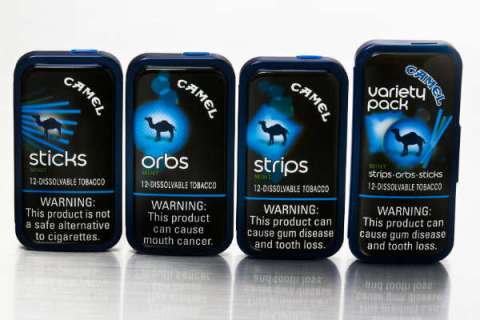
Big name tobacco brands are ramping up their presence in the dissolvable tobacco game, and consumers in test markets, as well as regulators, are trying to figure out what make of the new products.

Cigarette smoking may be contributing not only to lung cancer, but also to steady rates of bladder cancer, according to new research.

Smokers who light up first thing in the morning are more likely to develop lung cancer and tumors of the head and neck, compared with people who wait at least an hour after rolling out of bed to smoke, according to a pair of …

It’s not news that second-hand smoke can be dangerous—even deadly. Now add one more price nonsmokers pay for living around people who light up: According to a new study from New York University’s Langone Medical Center, teens …
Were they still alive today, John Wayne and Humphrey Bogart might have been given a serious image makeover. The message from Hollywood last year: smoking in movies is not cool anymore.

A popular drug prescribed to help people quit smoking may pose a significantly increased risk of heart attack in users, a new study finds. The results may further complicate doctors’ and patients’ decisions to use the drug, …
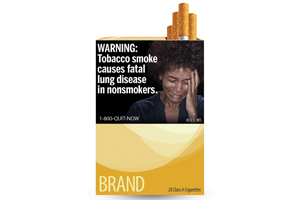
The Food and Drug Administration unveiled on Tuesday nine graphic warning labels that will be required on all cigarette packaging and advertising in the U.S. by Oct. 22, 2012.
It’s an unfortunate fact that when smokers kick the habit, they often gain weight — a side effect that many smokers use as a reason for not quitting.