
The current approach to dealing with domestic violence may be bad for victims’ health.

The current approach to dealing with domestic violence may be bad for victims’ health.

The effect of paternal age on autism, schizophrenia, and ADHD may be greater than previously thought
Chronic marginalization and chronic exclusion could cause hallucinations and delusions
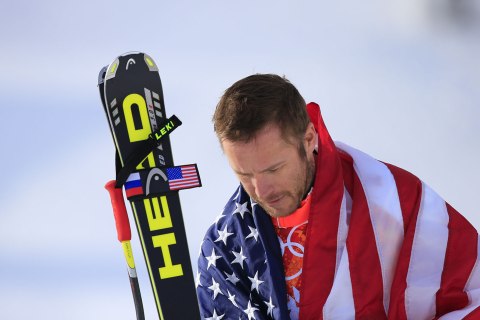
Research doesn’t support the idea that people put off grieving, but bereavement does come in unexpected waves

A former intelligence officer shares interrogation tips for getting people to spill on first dates and their salaries

Fist-pumping. Arm-raising. Chest-thumping. We see it all the time in sports. But these athletes aren’t expressing pride in victory. They’re demonstrating dominance over their competitor.

There’s science behind what makes your favorite shows so hard to miss.

Every time an athlete triumphs over another, his first instinct is to do a victory dance.

It’s because a new study shows that people — including liars — are more honest than you think.

Too much time in front of the television can blunt young children’s ability to accept and understand others, says the latest research.

After natural disasters, human beings are inherently altruistic, and want to help their fellow man, right? Well, it turns out to be a little more complicated than that.

Feeling good about our actions — not guilt or pity— motivates giving, according to the latest research.

When things go south and we’re to blame, we’re supposed to feel guilty. Right? Not necessarily.