
How did your friend get you to babysit her kids for the weekend, or your sister talk you into hosting the next book club meeting? They probably asked when you were anxious about a work project or stressed about making an …
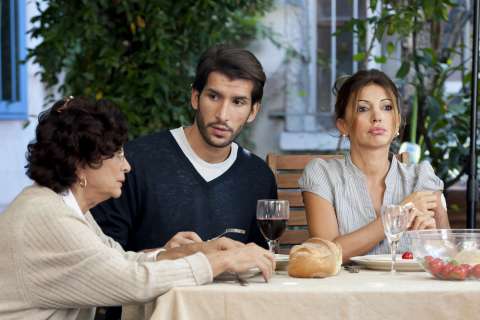
How did your friend get you to babysit her kids for the weekend, or your sister talk you into hosting the next book club meeting? They probably asked when you were anxious about a work project or stressed about making an …

My name is Gabrielle, and I’m not an alcoholic.
I’m a journalist who has written about the overlapping universes of women, health, and culture for two decades. A few years ago, I started noticing signs that women were …

A simple math test can predict who will default on a subprime mortgage, which isn’t good news for the numbers-phobic.
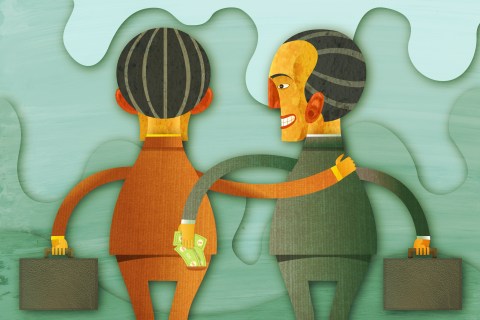
Money corrupts, they say, and now there’s a study that shows why people get so sneaky when it comes to making a profit.
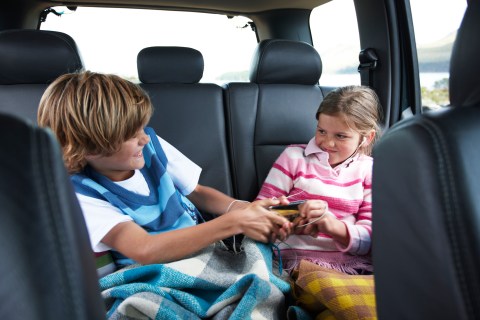
Brothers and sisters fight, but when the bickering evolves into physical or emotional abuse, it’s bullying.
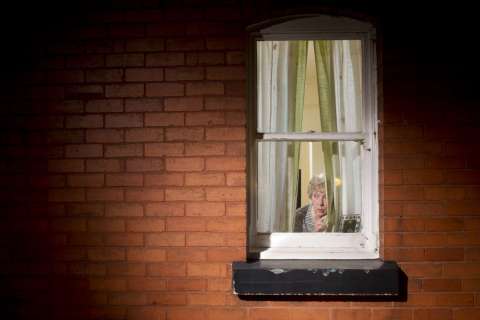
The mere suggestion that others are watching can put people on their best behavior, and a new study finds that concern for reputation is more powerful than cash payments in getting neighbors to do the right thing.
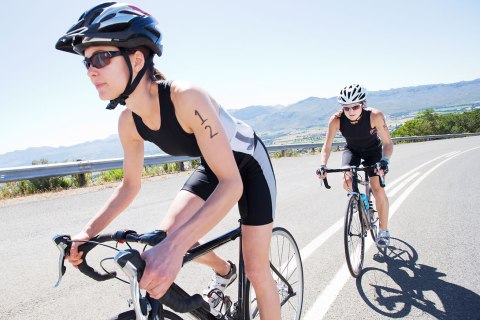
(UPDATED) Under stress, we all tend to seek comfort — sometimes in not-so-healthy ways — but a new study suggests that challenging experiences are as likely to promote good habits as they are to support bad ones.
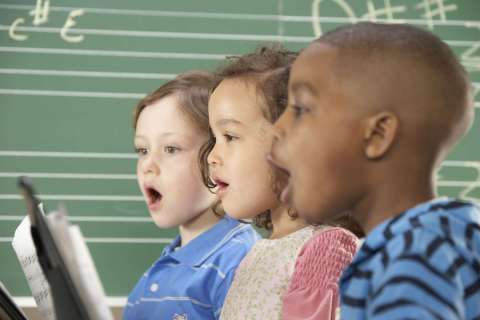
There are many roads to greatness, but logging 10,000 hours of practice to help you perfect a skill may not be sufficient.

Experts say that existing screening methods can identify at-risk individuals, but such tools may not help to prevent suicides.

Sharing and caring can be good for the soul, but what about the bottom line?

Learning to share is one thing, but getting children to do it is another.
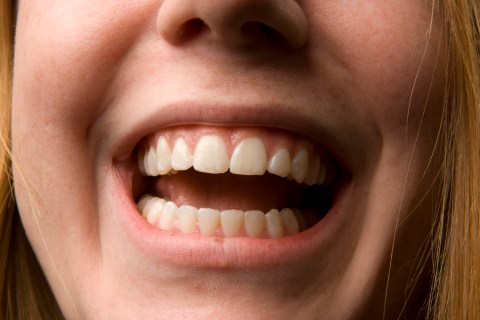
A happy face can certainly lift spirits, but can it reduce rage?

The latest research shows that overhearing one-sided exchanges is more distracting than eavesdropping on a conversation between two people.