
A severe car accident eight years ago left Australian Leanne Rowe with a broken back and jaw — and a French accent.
Brain
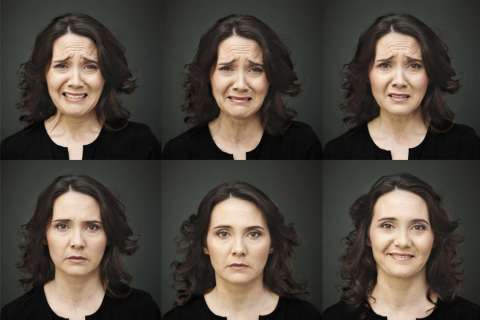
Are You Happy or Horny? A Brain Scan Can Tell
What are you feeling? For the first time, a brain scan might be able to answer that question.
The Brain in 3D: New Model Details the Human Brain Down to its Cells
BigBrain, a 3D digital reconstruction of a human brain, provides a first-ever high resolution view of the inner workings of the human brain that could lead to better understanding of how we think, talk, and feel.

Study Links Exposure to Bug and Weed Killers to Higher Risk for Parkinson’s
Who doesn’t want a pristine lawn free of annoying weeds and bugs? But some of those pest-fighting strategies may come with a price — to your health.
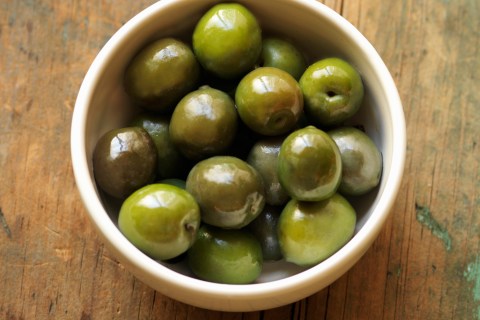
Mediterranean Diet Better Than Low-Fat Diet in Keeping Aging Brains Sharp
Thank the olive oil or the nuts, but something about the Mediterranean diet could help older brains act young again.

10,000 Hours May Not Make a Master After All
There are many roads to greatness, but logging 10,000 hours of practice to help you perfect a skill may not be sufficient.

Your Brain on Laughter
Are they laughing at you or laughing with you? Your brain can tell the difference.

Mediterranean Diet Improves Memory, But Not In Diabetics
The largest study to date on the effects of eating omega-3 fatty acids confirm that foods high in the fats can preserve memory and cognitive functions only in people without diabetes.

Babies’ Brains: When Does Consciousness Emerge?
Finding the point at which babies’ reactions change from being purely reflexive to reflecting more intention is leading researches to focus on the first glimmers of conscious thought in infants as young as 5 months old.

Your Brain on Math
Among the 100 million or so nerve cells in the brain, it turns out there is a group dedicated to making sense of numbers.
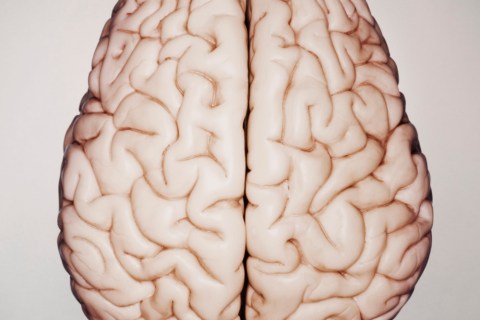
Understanding How the Brain Speaks Two Languages
Hablan dos idiomas? You should, if you know what’s good for you

How Exercise Can Moderate Brain Damage Caused By Drinking
Aging and drinking result in similar changes in the brain, and if aerobic exercise can alleviate the age-based damage, could it do the same for alcohol-related harm?
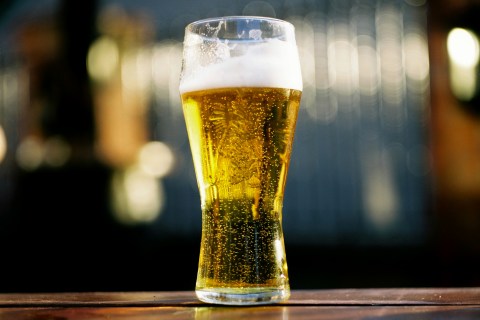
Beer’s Taste Alone Can Trigger Desire for Drink
The latest research shows that even the taste of beer is sufficient to activate the brain‘s pleasure circuits.