How quickly a straight woman can determine whether that guy across the bar is trying to catch her eye — or just trying to read the ESPN ticker on the TV above her head — may depend on how typically masculine his facial features are, according to new research published in the journal Psychological Science. And, the research from a
…
There’s plenty of data showing how harmful smoking can be, and that goes for both smokers and the people around them. Two studies published in Pediatrics point out how indirect the effects can be. A study of paternal smoking in Hong Kong finds that children whose fathers smoke are heavier at seven and 11 years old than their …
Call it matter over mind: a new study shows that objects you touch may influence the way you think and behave.
In the ongoing effort to better understand, diagnose, treat and hopefully one day even prevent the devastating mental decline of Alzheimer’s disease, researchers are taking a broad range of approaches — and some are even finding clues in unlikely places. As the New York Times reports, a new technique that combines a dye and brain scan
…
A new study published in BMJ (formerly the British Medical Journal) adds to a growing body of research dedicated to understanding cancer risk potentially posed by cell phone use and proximity to cell phone towers. Researchers from Imperial College London set out to determine whether mothers whose children developed conditions such as
…
Analyzing data on 6,000 people — half of whom suffered a stroke, and half of had not — from 22 countries around the globe, researchers from Canada’s McMaster University identified 10 common risk factors, including smoking, high blood pressure and belly fat, associated with 9 out of 10 strokes. The results of the INTERSTROKE study, as
…
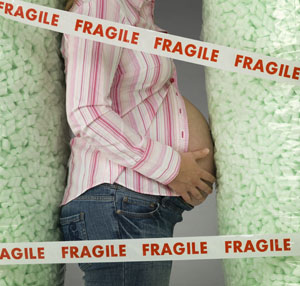
Don’t eat cold cuts, swordfish, or “soft” cheese. Try to limit your exposure to stress and don’t drink much caffeine. And, of course, don’t drink alcohol. The list of things that women need to avoid during pregnancy seems to grow
…
A team of researchers from University College London and Aarhus University in Denmark may have uncovered some clues to help explain why we care what other people think — and why some people care more than others. The research, published in the journal Current Biology, suggests that the area of our brains associated with reward is more
…
Though they tend to have sex less frequently than their slimmer peers, obese women may be four times more likely to have an unwanted pregnancy, according to findings published in BMJ this week. In a study of more than 12,000 French men and women between the ages of 18 to 69, researchers found that obese women were less likely than
…
Initial results from an animal study conducted by researchers at the Children’s Hospital of Philadelphia may shed some light on a question that has perplexed both sexes: why do women often seem to get so much more stressed out than men? In a rat study led by neuroscientist Dr. Rita Valentino, researchers found that females were more
…
In new research presented today at the annual meeting of the European Society of Human Genetics in Sweden, French geneticist Dr. Géraldine Viot of Maternité Port Royal hospital in Paris, highlights the elevated risk for congenital defects for children born using assisted reproductive technologies (ART), and stresses the need for
…
To get your kids to watch less television, a study suggests a simple solution for parents: set firm rules and stick with them.
In a study of the screen-gazing habits of 7,415 9-to-15-year-olds — which included watching TV and playing video and computer games — researchers found that children who strongly agreed with the statement …
New research published in the American Journal of Epidemiology and highlighted by Reuters suggests that the increasing prevalence of moms holding down full-time jobs may be a contributing factor in the childhood obesity epidemic. In an effort to determine what factors may be driving childhood obesity, researchers from University College
…