
Are you having an allergy-free summer? You may have Fido to thank for that.

Are you having an allergy-free summer? You may have Fido to thank for that.

Talk about dedication to the job. To test the association between hookworms — intestinal parasites — and food allergies, Dr. James Logan infected himself with the suckers and swallowed a pill camera to film the action in his gut.
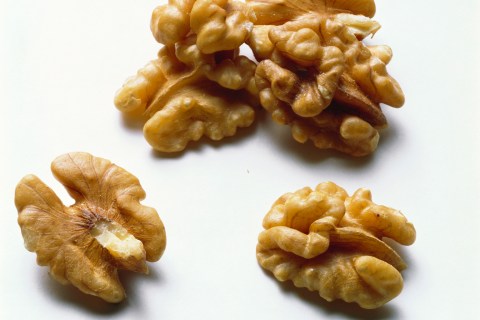
It’s springtime — the season of runny noses and itchy eyes. Consider adding these foods to your diet to lessen your irritating symptoms.
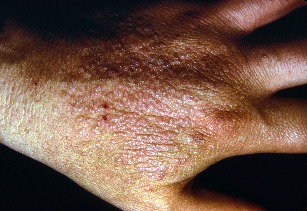
Certain environmental exposures are known to increase your risk of cancer: tobacco smoke, UV radiation and even pollution. But what about some common metals and chemicals that cause contact allergies?

You may now file hypoallergenic dogs under Things That Are Too Good to Be True. That’s the conclusion of a new study by Henry Ford Hospital researchers, which finds that homes with so-called hypoallergenic dogs don’t have lower …

Children who live with dogs and cats are less likely to develop allergies to those animals later in life, but only if the pet is under the same roof while the child is still an infant, a new study suggests.
Climate change is what the people at the Pentagon like to call a “threat multiplier.” Warming takes existing dangers like political instability in developing nations, and amplifies them in ways that can be hard to predict — but which are rarely positive. That goes for human health too.
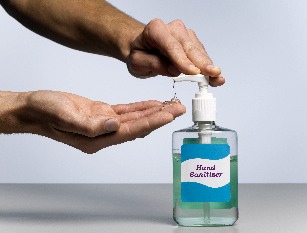
Clean is good, especially when it comes to fending off germs, but is there such a thing as being too clean? Perhaps. Researchers based at the University of Michigan School of Public Health report that children who overuse …

As food allergens go, wine is easier to avoid than, say, wheat. But there are some 500 million people worldwide — that’s about 8% — who will have to sit out toasts this holiday season because of wine allergies.

The Food and Drug Administration (FDA) estimates that about 11 million Americans have some type of food allergy, but many more are affected by these conditions — especially the partners of highly allergic people.

When it comes to salt, we at Healthland tend to focus on its dietary advantages and disadvantages. But it turns out that there’s a burgeoning new trend in salt consumption: some people are breathing in the mineral, instead of …
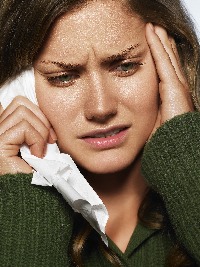
With experts predicting that the spring and summer allergy season will be one of the worst in recent years, researchers at the American Psychiatric Association’s annual meeting in New Orleans presented some intriguing …