
The American Cancer Society reviewed the ongoing study years ago and concluded mammograms were still warranted

The American Cancer Society reviewed the ongoing study years ago and concluded mammograms were still warranted
Report shows that death rates are the same among those who get screened and those who don’t
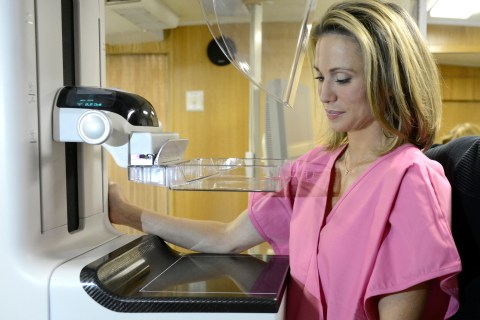
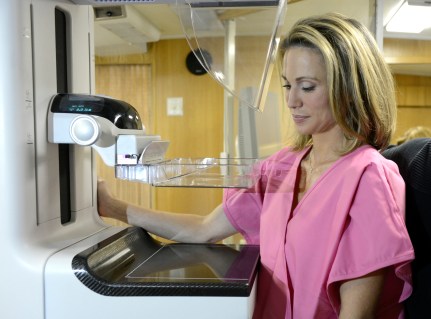
Good Morning America host Amy Robach revealed on her show that a recent on-air mammogram had found she has breast cancer, but the diagnosis wouldn’t have been made if she followed certain federal guidelines for screening.
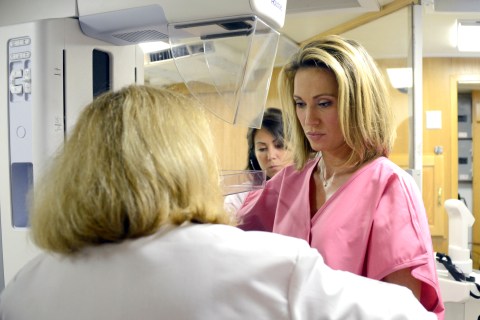
News reporter will receive a bilateral mastectomy and reconstructive surgery on Nov. 14
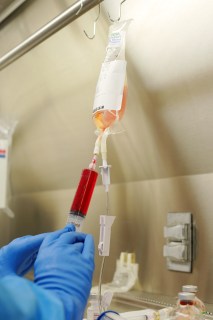
The latest status report from the American Association for Cancer Research (AACR) shows that most cancer deaths are avoidable.

Getting yearly physicals makes intuitive sense—routine checkups can pick up early signs of disease and get you on treatment that could save your life. Or can they?
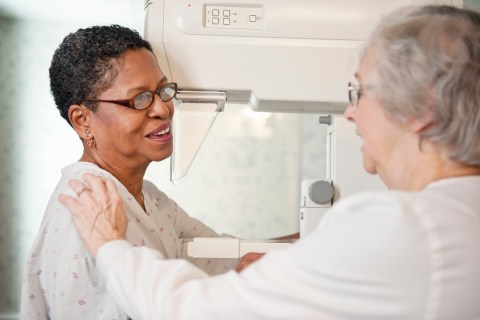
The breast cancer screening debate continues. A new study finds that adding ultrasound or magnetic resonance imaging (MRIs) tests to annual mammogram screenings can increase cancer detection in women with higher-than-average risk …

Planned Parenthood thanks supporters who publicly criticized Komen’s decision to stop funding the group.
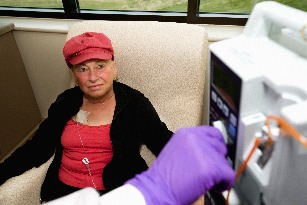
Our risk of cancer rises dramatically as we age — cancer is, after all, a disease of aging, a consequence of our increasing longevity. So it makes sense that the elderly should be routinely screened for new tumors — or doesn’t it?
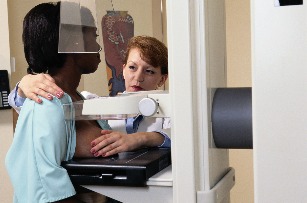
In 2009, a government advisory group sent women and their doctors into a frenzy when it rolled back recommendations for annual breast cancer screening for most women. Saying that routine mammograms could potentially do more harm …

A panel of cancer experts is recommending against testing for prostate-specific antigen (PSA), the most commonly used prostate cancer screen, in healthy men.
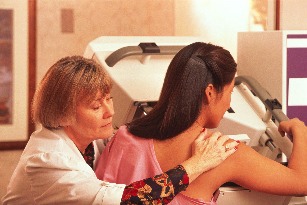
Sometimes, even in medicine, where it’s all about evidence, we slip and take some things for granted. Such as, for instance, the fact that women who have survived breast cancer should get regular mammogram screenings, so they …