
“Mama,” my young son informed me yesterday, “I know how you can sneak an explosive onto an airplane.”
 Family MattersPregnancy
 Family MattersPregnancy
“Mama,” my young son informed me yesterday, “I know how you can sneak an explosive onto an airplane.”
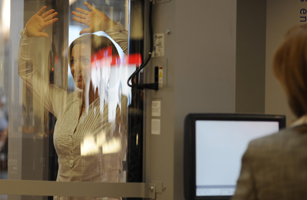
The new “strip search” scanning machines at airport security checkpoints are increasingly causing furor over issues of privacy, decency and health.
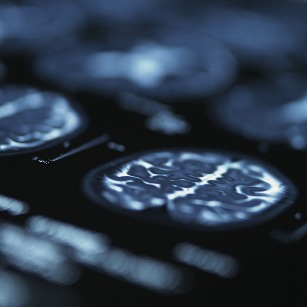
From the sun’s ultraviolet rays to the weak cosmic exposure we get on plane flights to the screening tests that doctors recommend, our bodies are constantly bombarded with small but relatively consistent doses of potentially …
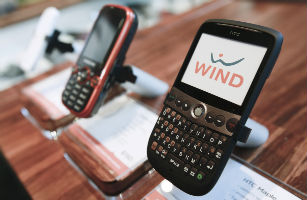
Dr. Devra Davis’s new book Disconnect — the result of an investigation into the data on cell phones and cancer, as well as the wireless industry’s efforts to stave off regulation — is convincing enough to give you pause …
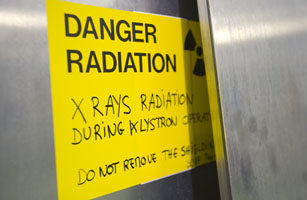
If you watch TV or use a cell phone, you’re getting radiation. If you smoke cigarettes, you’re definitely getting it too.
Though a handful of studies on the risks of cell phone radiation have prompted some lawmakers to propose legislation that would outfit mobile devices with warning labels (like packs of cigarettes), and some companies are already marketing radiation diverting phone covers, in the scientific community there remains little consensus over
…
Scientists at the University of Pittsburgh School of Medicine say they may be hot on the heels of the Holy Grail of cancer therapy: a means to protect healthy tissue from the harmful effects of radiation treatment while speeding tumor death. The study, published this week in Science Translational Medicine, could one day be a game changer …
Medical imaging techniques ranging from CT scans to myocardial perfusion imaging (or imaging of the heart), have become a regular part of medical diagnostics. Yet, according to a study published in this week’s issue of the New England Journal of Medicine, it isn’t yet clear whether the radiation necessary for these imaging procedures
…