
Supplements are good for you, right? Maybe not so much.
Supplements are good for you, right? Maybe not so much.
The latest study shows vitamin E may have more benefits than memory drugs in combating the disease.
Americans spend nearly $12 billion each year on vitamin supplements, hoping they will steer us away from diseases like cancer and heart attacks. But it turns out they’re just a drain on our wallets.
Keeping bones strong may take more than popping a few pills, according to the latest research.
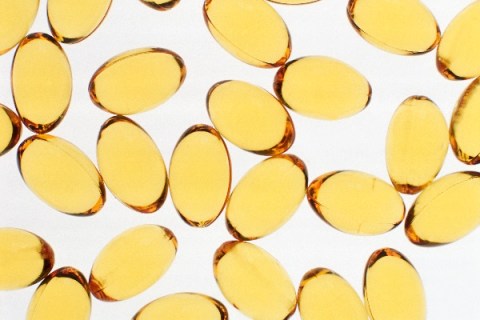
If you want to protect your heart, stick to exercise and a healthy diet, and pass on the fish oil pills, says a new study.

Omega-3s and vitamins may protect your brain’s function and size.
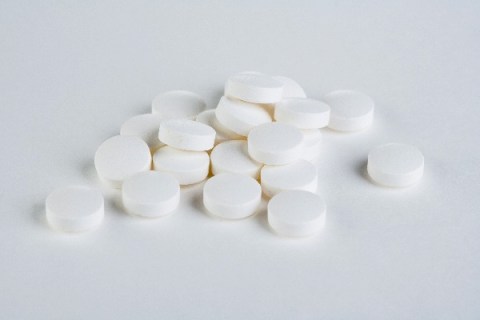
Vitamin D has been touted as a magic bullet, protecting against bone fractures, heart disease and even cancer. Now, a government group takes a closer look at the data.
Adding to the evidence that regularly taking dietary supplements may do more harm than good, researchers at the Cleveland Clinic have found that men taking vitamin E are not protected from prostate cancer, and may even be at …
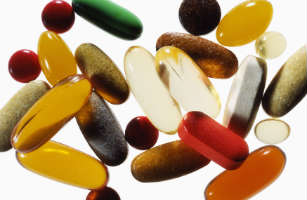
If you think you’re doing your body good by popping a daily multivitamin or supplementing with extra vitamin C or E, think again. A new study finds that taking supplements is linked to higher odds of early death, at least in older women.

Older people may not be getting enough vitamin B12, and that could affect their thinking and the size of their brain, according to a new study.
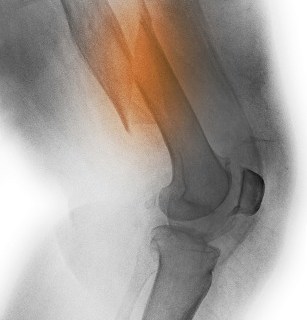
Since bones tend to deteriorate with age, it makes sense to take in more calcium as we get older, to help lower the risk of fractures in our hips and limbs. But how much additional calcium is enough? And is there such as thing as too much?

Postpartum depression can affect up to 25% of new mothers during the first year after delivery, but researchers say there may be a relatively easy way to lower that risk — starting before women give birth.