Once again, it’s time to turn the clocks forward (at 2 a.m. Sunday) for Daylight Saving Time. The yearly change is sure to cause more than a few missed brunch dates, and perhaps some confusion over why the alarm is going off an hour early. But the shift in sleep schedule could have more serious effects on some people’s health, according to experts on circadian rhythm, particularly in people with depression or heart disease.
Is Daylight Saving Time Bad for Your Health?
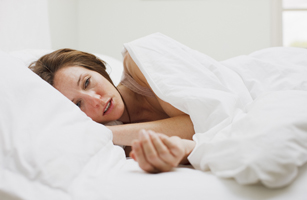
Martin Barraud
In September 2010, a team from University of Sydney reported an association between lack of sleep and mental health in nearly 3,000 teens and young adults. Over the course of their 12-to-18-month study, researchers found that for each hour of lost sleep per night, levels of psychological distress rose by 5% in the study volunteers. Overall, short sleepers were 14% more likely to report symptoms of psychological distress on a standard test, compared with teens and young adults who got adequate sleep. The effect was especially pronounced among young people who already suffered from anxiety; in this group, lack of sleep triggered more serious mental health problems like full-blown depression and even bipolar disorder, according to the study's lead author, Professor Nick Glozier. But even among those who began the study in good health, less than five hours of sleep per night led to a tripling of their odds of psychological distress. Next: Weight More on Time.com: Five New Rules for Good Health