


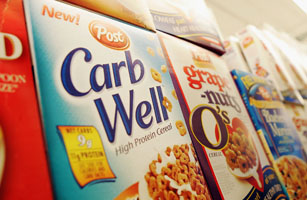
Many clinical trials (and blockbuster diet plans, from Scarsdale to South Beach to The China Study) have supported the idea that reducing the intake of simple carbohydrates — white breads, pasta, rice and sugar — leads to weight loss in obese people.
It is also well-established in the medical community that a diet high in refined carbs can contribute to the development of Type 2 diabetes. That’s because refined carbs, which are created when whole grains have been processed to remove fibrous materials like husks, have a high glycemic index — meaning that they cause a rapid rise and fall of blood sugar levels after eating. A 2004 study in the American Journal of Clinical Nutrition found that as consumption of refined carbs increased in the United States, so did Type 2 diabetes in equal measure.
But if it’s good for the average overweight American to lower carbohydrate intake and up protein consumption, which low-carb diet is best? Further, is any one diet better than the next when it comes to long-term health? Yes, according to a new study funded by the National Institute of Health and published Sept. 7 in the Annals of Internal Medicine, which emphatically advocates a vegetarian approach to the low-carb plan, finding that a diet high in animal protein is associated with an increased risk of death.
The large, long-term study tracked middle-aged dieters — 85,168 women aged 34 to 59, and 44,548 men aged 40 to 75 — from 1980 to 2006. All participants followed low-carbohydrate, high-protein diets, but one group got most of their protein from vegetable sources, like rice and beans, tofu and nuts and seeds. The other group ate primarily animal proteins like meat, eggs and yogurt.
“We found that all low-carb diets are not created equal,” says Dr. Frank Hu, a leader of the study and a professor of nutrition and epidemiology at the Harvard School of Public Health. “If you replace refined carbohydrates with bacon and sausage, that’s not going to help you. If you want to cut out refined carbohydrates, you need to replace them with healthy sources of protein and fat — olive oil, nuts and peanut butter.”
Dieters who consumed mostly animal fats and proteins were 23% more likely to die over the course of the study than their counterparts in the general population, with a 14% increased risk of dying from heart disease and a 28% increased risk of dying from cancer.
Meanwhile, participants who followed the plant-based diet, which is naturally lower in fat and saturated fat, had a 20% decreased risk of dying than the general public, with a 23% decrease in risk of fatal heart disease.
So what does meat have that plants don’t? “Saturated fat and heme-iron are very high in red meat and processed meat,” said Hu, adding that colorectal cancer was the most common fatal cancer affecting the subjects of his study. Despite this observation, there is no known link between saturated fat, heme-iron and colorectal cancer and Hu added that it was very hard to single out one factor that could be responsible for the association.
An editorial accompanying the study called for larger-scale research that could control for factors like education-level and cigarette use, which are known to affect mortality risk and which were not accounted for in the current study — a common problem with observational studies. Still, the research as it stands offers a compelling reason to reach for an avocado, even if you really want a steak.