
The morning-after pill is approved for use as an emergency contraceptive, meant to be taken the day after unprotected sex, but a new study suggests women might be able to use it as regular birth control as well.
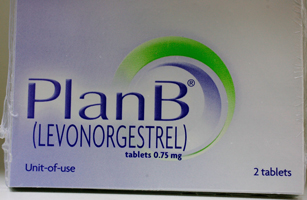
The morning-after pill is approved for use as an emergency contraceptive, meant to be taken the day after unprotected sex, but a new study suggests women might be able to use it as regular birth control as well.
Plastics. They seem so…inert. Slow to erode or decay, with a biodegradation time measured in the hundreds of years, plastics appear cut off from the organic environment in the way that no other product is, safe and secure and sterile.
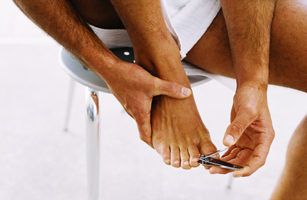
Most drug tests use saliva or urine, but researchers from the University of California-San Diego Medical Center and Harvard School of Public Health found that examining men’s toenail clippings was the most reliable way to figure …
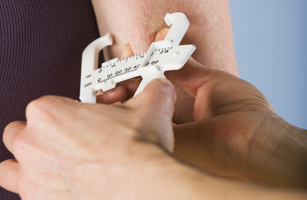
It is well documented that body mass index (BMI) — a ratio of height and weight — is not the best measure of a person’s obesity, physical fitness or good health. But coming up with another quick-calculation metric to replace …

An estimated 50 to 70 million American adults have a chronic sleep loss or a sleep disorder of some kind. Fully one-third just have bad sleeping habits, getting less than the recommended minimum of 7 hours of sleep per night, …
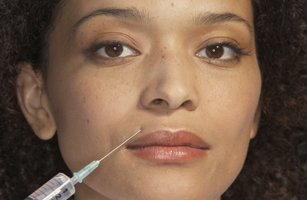
Dentists are all about making sure you maintain a youthful smile. So why not throw some Botox in to the mix, and help you ditch those frown lines while they’re at it?

Between bed bugs, flu viruses and the risk of pulmonary embolism, taking a flight can feel like navigating a minefield. The good news is, there are lots of ways to keep yourself healthy.

What would it be like if you never forgot — if your brain were able to access your haziest long-term memories as though they had just been freshly made? For the first time, working in rats, researchers have enhanced weak, old …
A study finds that use of virtual colonoscopy, a non-invasive way of scanning the colon for potentially cancerous growths, is on the rise.

How good for you is exercise? According to a study of mice by researchers at McMaster’s University in Ontario, it may be the trick to staying young.

Family history is a key risk factor for Alzheimer’s, and now a new study adds to the evidence that the risk of the disease is greater if you have it on your mother’s side than on your father’s.

What does “empowerment” mean for women around the globe? More smoking deaths, for one. The United Nations Development Program (UNDP) reports that in countries where more women work in government office, have equal voting rights …
Climate change is what the people at the Pentagon like to call a “threat multiplier.” Warming takes existing dangers like political instability in developing nations, and amplifies them in ways that can be hard to predict — but which are rarely positive. That goes for human health too.