
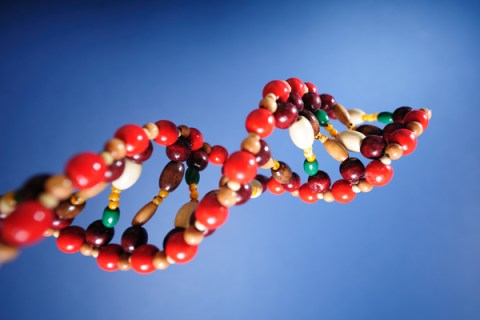
Junk DNA — Not So Useless After All
Researchers report on a new revelation about the human genome: it’s full of active, functioning DNA, and it’s a lot more complex than we ever thought
Researchers report on a new revelation about the human genome: it’s full of active, functioning DNA, and it’s a lot more complex than we ever thought

New research questions whether organic produce and meats are really more nutritious or healthier than conventional varieties

Working out in middle age can result in fewer chronic diseases, including heart problems, diabetes, stroke, Alzheimer’s disease and cancer

Here’s a rundown of the banned substances that Armstrong allegedly used to fuel his historic seven Tour de France wins

Don’t blame older mothers for their offsprings’ developmental problems. A new study finds “there is probably much more reason to be concerned with the age of the father”
It took O’Donnell nearly a day to realize she was having a heart attack. Here’s why women’s heart disease differs from men’s
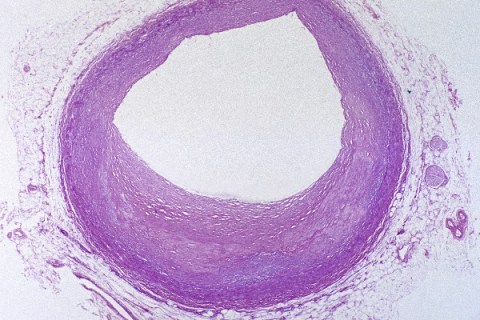
About 28 million Americans are considered at “intermediate risk” of having a heart attack. A new study suggests adding a CT scan can improve doctors’ ability to gauge these patients’ actual risk

Missouri Rep. Todd Akin bungled science when he claimed that women who are raped are naturally protected from pregnancy. But he’s not the first politician to have a shaky relationship with scientific fact
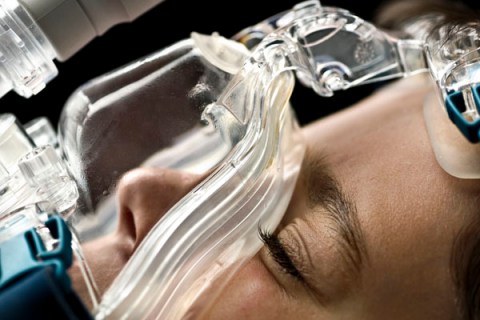
Increasingly, research finds that exposure to anesthesia in early childhood may have long-term effects on kids’ brain development.
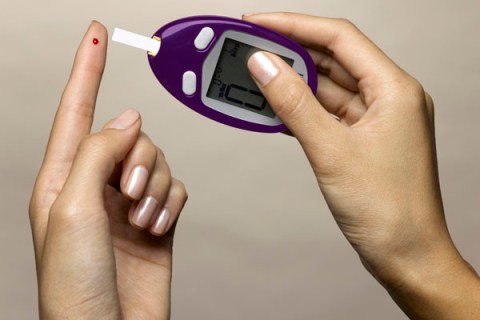
Overweight people who are diagnosed with the blood sugar disorder outlive their thinner counterparts, a study shows
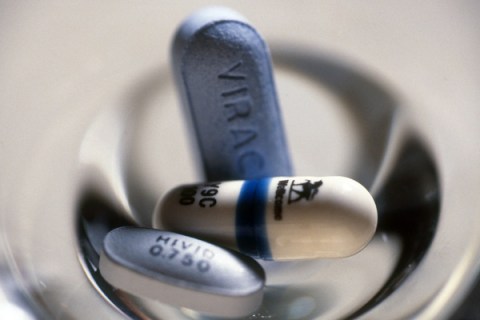
Thousands of scientists, doctors, policymakers and people living with HIV are meeting this week for the annual International AIDS Conference in Washington, D.C., the first time the conference is being held on U.S. soil in 22 years.

Even in countries that have made great gains in reducing the burden of AIDS, the epidemic is still growing among gay men

New research shows that women who have larger babies have more than twice the risk of breast cancer, compared with mothers who give birth to smaller infants.