
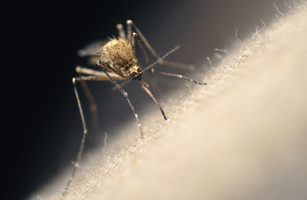
Spermless Mosquitoes: A New Way to Curb Malaria?
Scientists may be onto a new weapon against the spread of malaria, one that doesn’t require chemical repellents or bed nets: a genetically engineered sterile male mosquito.
Scientists may be onto a new weapon against the spread of malaria, one that doesn’t require chemical repellents or bed nets: a genetically engineered sterile male mosquito.

“My job is killing me.” Who among us hasn’t issued that complaint at least once? Now a new study suggests that your dramatic grousing may hold some scientific truth.

When it comes to potty-training, parents’ methods vary greatly. Some take a regimented, reward-and-punishment approach, while others ease into it by encouraging poop talk. Is any one way better than the next?

Smokers who light up first thing in the morning are more likely to develop lung cancer and tumors of the head and neck, compared with people who wait at least an hour after rolling out of bed to smoke, according to a pair of …

Some widely prescribed antidepressants may not be as safe for elderly patients as other classes of drugs, according to a study recently published in the British Medical Journal.

Japanese scientists successfully restored fertility in sterile mice using sperm cells that were originated in the lab, reports a new study in the journal Cell. The research promises to help scientists better understand fertility …

Eating a healthier diet, like the one recommended by the U.S. government, is no easy undertaking — not least because of its high cost. A new study published on Thursday in the journal Health Affairs calculates that it would …

The U.S. Food and Drug Administration (FDA) is warning consumers against using the emergency contraceptive pill labeled Evital, because it may be counterfeit and ineffective at preventing pregnancy.

A widely prescribed antipsychotic medication worked no better than a placebo to treat combat veterans’ symptoms of post-traumatic stress disorder (PTSD), according to a new study by the Department of Veterans Affairs.

Your brain is bound to shrink as you age — it’s unavoidable. But there are certain lifestyle factors that hasten the process, according to a new study by researchers at University of California, Davis.

We all know that we’d be healthier, happier and sharper if we exercised regularly. But despite our best intentions, it rarely happens.

Back in May, a “relaxation brownie” called Lazy Cakes caused a stir, when several politicians and public-health experts expressed concern about its safety. On Friday, the Food and Drug Administration (FDA) sent a letter to the …

Lose weight. That’s often the first advice from doctors to their pre-diabetic patients. But while losing excess fat can help reverse Type 2 diabetes risk factors like insulin resistance and high blood-sugar levels, a new study …