

Why We Eat Less of Foods with Strong Aromas
A whiff of a decadent dessert can whet the appetite, but new research suggests that when it comes to the smell of food, you can have too much of a good thing.
A whiff of a decadent dessert can whet the appetite, but new research suggests that when it comes to the smell of food, you can have too much of a good thing.
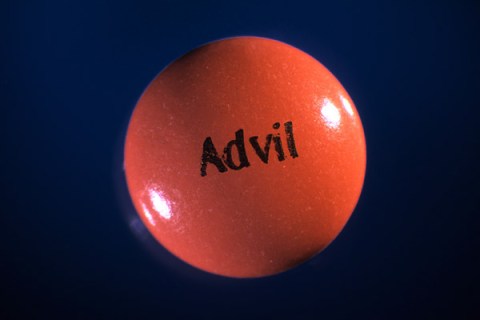
A new study suggests that popping a few Advil before a high-altitude climb can prevent symptoms like headache, nausea and fatigue.
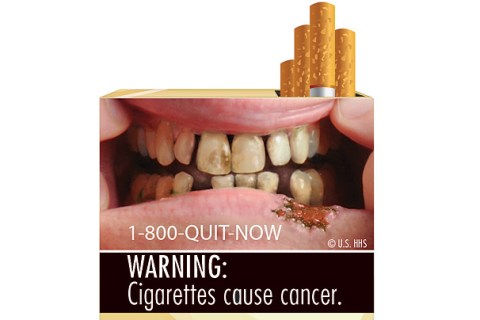
A federal appeals court ruled on Monday that the government’s requirement that tobacco companies put graphic warning labels on cigarette packs was constitutional and did not violate the companies’ freedom of speech.
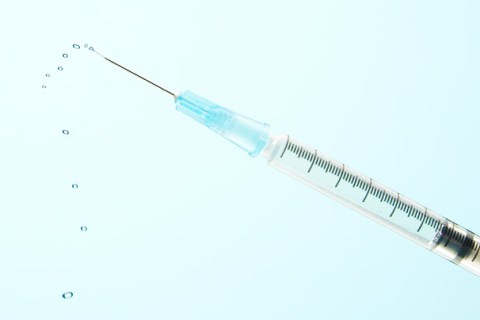
The first in a two-part series investigating why critical prescription drugs are in short supply in the U.S.
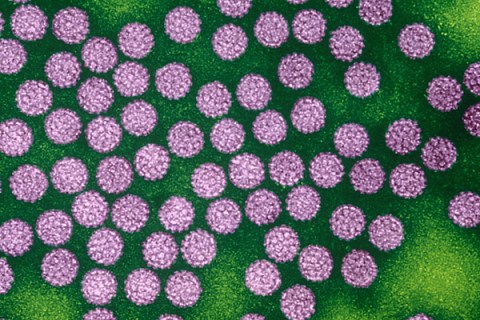
A government task force recommends less frequent screening for cervical cancer and reverses its initial advice on HPV testing, allowing it for some women.

If traditional weight-loss diets have failed you, you might just try hitting the sack.

Why walking works: it not only burns calories, but it also counteracts the effects of your fattening genes.

Jewelry sold at popular retailers could contain dangerous levels of cancer-causing toxic chemicals, according to an analysis by a non-profit environmental group.

Eating a hot dog or a couple of slices of bacon a day comes with a surprisingly high cost to your health.

Even before conception, a mother’s obesity may affect cognitive development in her baby-to-be.
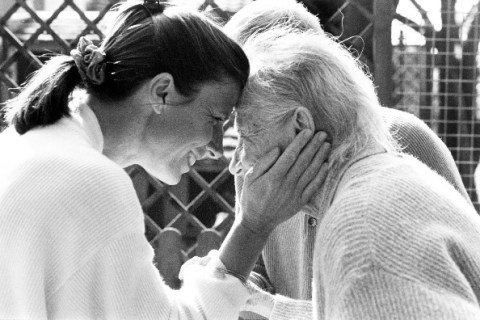
As the U.S. population continues to age, the costs — both financial and emotional — of Alzheimer’s disease will rise as well, unless new research and policies start to address the burden.

If one thing’s clear about the data on the health effects of hormone replacement therapy after menopause, it’s that they’re confusing.

Scientists discover that physical activity leads to beneficial changes in gene activity, even after a single workout.